
Are you interested in improving the indoor air quality (IAQ) in your house? Can’t decide between a humidifier or a dehumidifier? We’re here to help you!
This article talks about both appliances, their functionality, advantages and disadvantages, use cases, and much more. Whether you want better IAQ for health reasons or to improve the general environment at home, this article will answer all the necessary questions. As a bonus, we also introduce air purifiers and what they do.
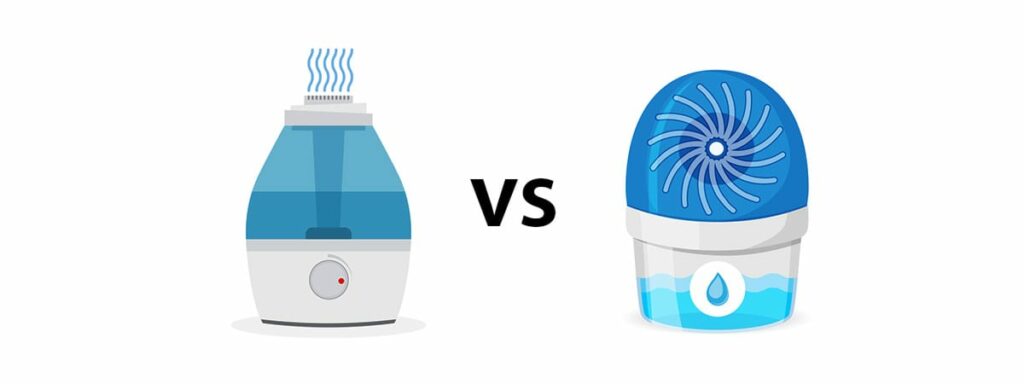
What is a Humidifier?
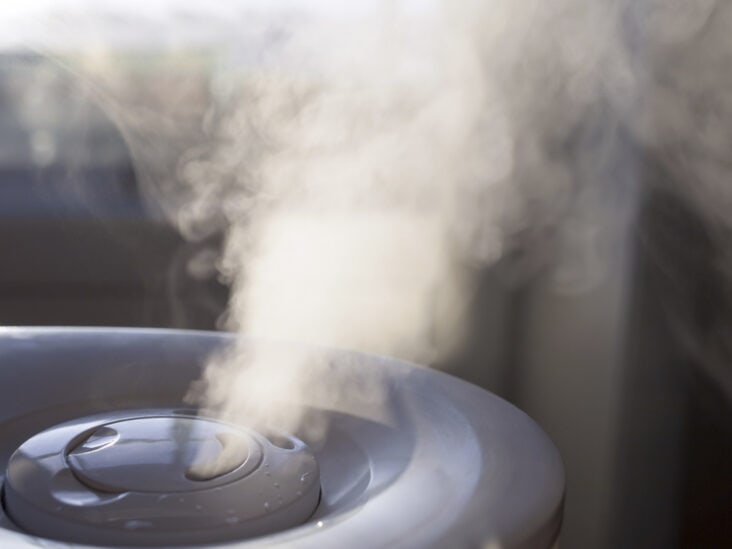
Humidifiers are household appliances used to enrich the air with water particles. The gadget usually consists of a tank, a filter, and a base. You fill the tank with water, and when plugged into a power outlet, the humidifier disperses moisture into the air. Several technologies achieve the same effect.
Warm air humidifiers boil the water and push the vapor or warm mist to the surroundings. These are also called vaporizers.
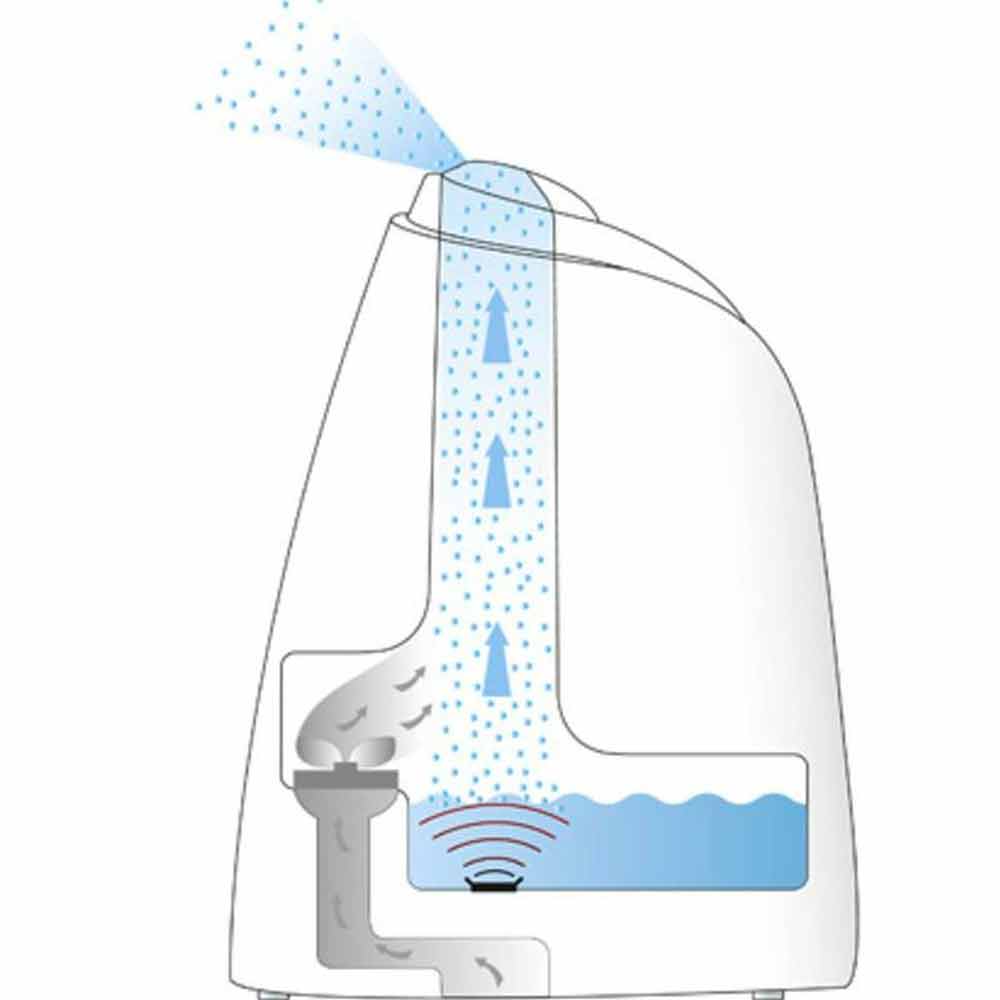
Cool mist ones work in various ways, but the final goal is to break the water into smaller droplets (mist) and push it into the surroundings. The most common types are the ultrasonic and impeller humidifiers.
With the former, a metal disk spins at high speeds, generating tiny particles. Impeller technology is quite similar, except the same disk vibrates instead of spinning. Evaporators are a bit different: a fan blows the cold water through a filter or a belt, which, to some degree, also purifies the water particles and, thus, freshens the air.
Dry air can be quite harmful to skin, hair, and the home microclimate in general. So, humidifiers are excellent for the household’s overall health. Experts recommend using these appliances for children and people with respiratory diseases.
What is a Dehumidifier?
Dehumidifiers do the opposite of what humidifiers do. They draw the water molecules out of the air rather than infusing the air with particles. They are necessary when the humidity of the area is higher than 60%. You’ll find three main types of this appliance.
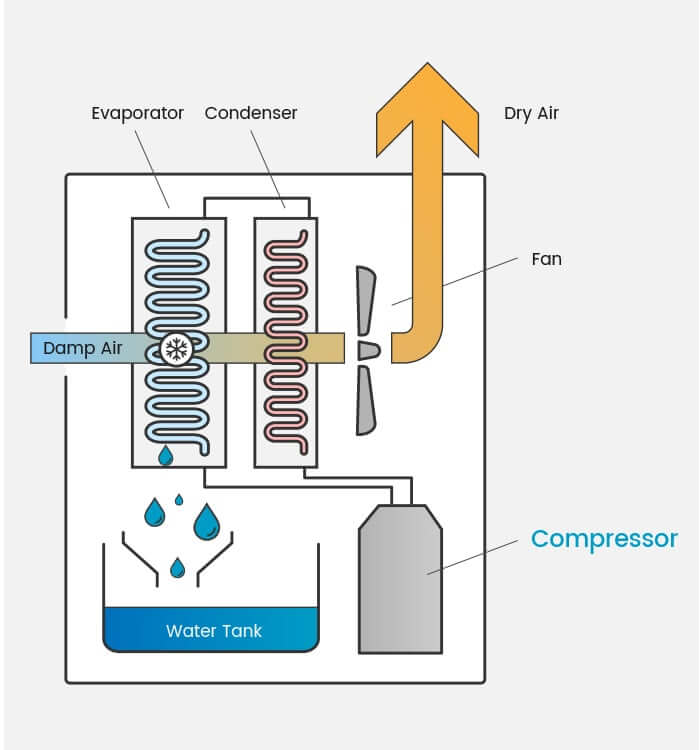
Refrigerant dehumidifiers use the same technology as some refrigerators. The fan draws in the air. As the water particles meet the cold metal plates, they cool down and become liquid. These condensed droplets gather in the dehumidifier’s water tank. The gadget starts working when there’s a need for it and goes into standby mode if the humidity is close to normal.
Desiccant dehumidifiers use a material that absorbs moisture as the air enters the system. A stream from a fan draws the dampness out, collecting the water in a tank. The advantage of this type over the refrigerant version is that these can operate at much lower temperatures.
While the above two varieties are small and portable (desiccants more than refrigerants), whole house ventilation dehumidifiers are systems fitted into the house’s heating and cooling system. They consume very little power, don’t make too much noise, and are easy to install.
Similarities and Differences
Having good overall IAQ is essential for the people, plants, and furniture at home. Knowing the right levels and how to control them can be beneficial for health and comfort. Humidifiers and dehumidifiers have similarities and differences. Below, we break down their functionality and use cases to give you an overview of both.
Humidifier and Dehumidifier Differences
Opposite Functionality
Dehumidifiers draw excess moisture out of the air. Humidifiers do the opposite by adding water particles into the surroundings, which makes it softer. The moderately moist air is more comfortable to breathe.
While both appliances may contain fans and belts as parts to drive the air into the system, they use different technologies altogether.
Humidifiers use three methods to break the water into smaller particles. They either boil the water, evaporate it with a fan, or vibrate it to create a mist. Dehumidifiers condense water from the gas form using one of the following:
- Refrigeration
- Desiccation
- Ventilation
Useful for Different Weather Conditions
Winter months and heating systems often cause the evaporation of water particles in the air; that’s why experts recommend using humidifiers. Your home probably needs a humidifier if:
- Your skin and hair are getting dry
- The furniture starts cracking
- You feel dryness and discomfort in the nose and throat

On the opposite end of the microclimate imbalance is too much humidity. You might need a dehumidifier if your house or basement:
- Is moldy
- Smells wet after rain
- Has leakages
- Feels stuffy
Whole House vs Portable
Portable humidifiers are more efficient than whole home ones. While it has tremendous benefits, a whole home humidifier is usually a drastic measure. It’s efficient for houses that have a deeper problem than dry air caused by heating in winter.
On the other hand, dehumidifiers are more productive when used all over the house. They are easy to install and use very little electricity. Portable ones usually need more energy and have higher maintenance costs. They are more efficient for small, secluded areas and rooms like basements and garages with more leakage spots.
Humidifier and Dehumidifier Similarities
End Goal
While one adds water particles into the air, the other one removes them. In the end, both devices improve the indoor air quality.
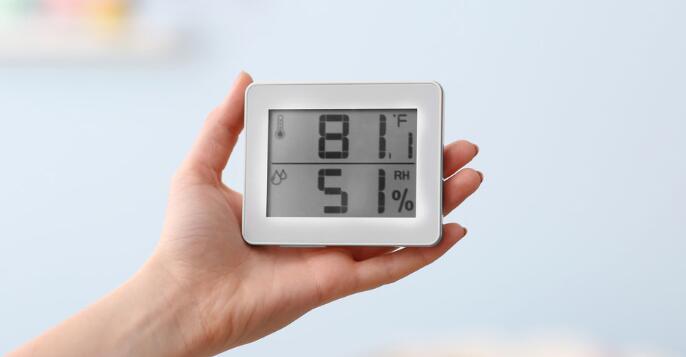
As you might already know, the ideal humidity is around 50%. Maintaining consistency in the whole house can be a bit tricky during different seasons.
Both appliances help you achieve your final goal of keeping the humidity levels uniform. It doesn’t matter how the machine reaches the desired outcome if it’s efficient. Hence, the functionality is near negligible in this sense.
Portability
You won’t have to worry about getting the microclimate just right if the house has an installed air conditioning and air quality management systems. Still, not everyone is lucky like that. Most homes don’t boast such engineering excellence.
Both appliance types have portable plug-in models. The only thing you need is electricity and a bit of patience. The small size makes these gadgets easy to use and very efficient, as moving them around the house becomes possible.
Health Benefits
Both gadgets work toward improving respiratory health. Unfortunately, breathing problems, seasonal allergies, and lung diseases due to bad air quality are way too common to be neglected. Even if you don’t usually have those issues, you might not notice a common sore throat before it becomes a severe inflammation and poses a risk.
Controlling humidity levels can prevent and ease such problems during the flu season and in general.
Humidifiers and dehumidifiers can help family members with a chronic illness connected with airway issues or allergies. Maintaining normal humidity levels can be the key factor for their well-being.
Advantages of Humidifiers
Using one of these can provide you with many benefits.
Reduce Breathing Problems
Breathing in dry air can cause respiratory problems. In addition to the fact that throat and nose dryness is uncomfortable, your skin inside those cavities may crack and cause worse problems in time. For example, if you cough or sneeze with a dry throat, it may damage the arid areas even more.
People prone to allergies are also more likely to experience discomfort in less humid areas, causing flare-ups. Besides, water molecules connect with the pollen and dust, making them heavier and not letting them float in the air freely. This attachment neutralizes their impact on your body.
Prevent Skin and Hair Dryness
It’s essential to keep hydrated by drinking water. However, that’s not the only factor in having healthy and glowing skin and shiny hair – the humidity of your surroundings impacts your skin and hair quality.
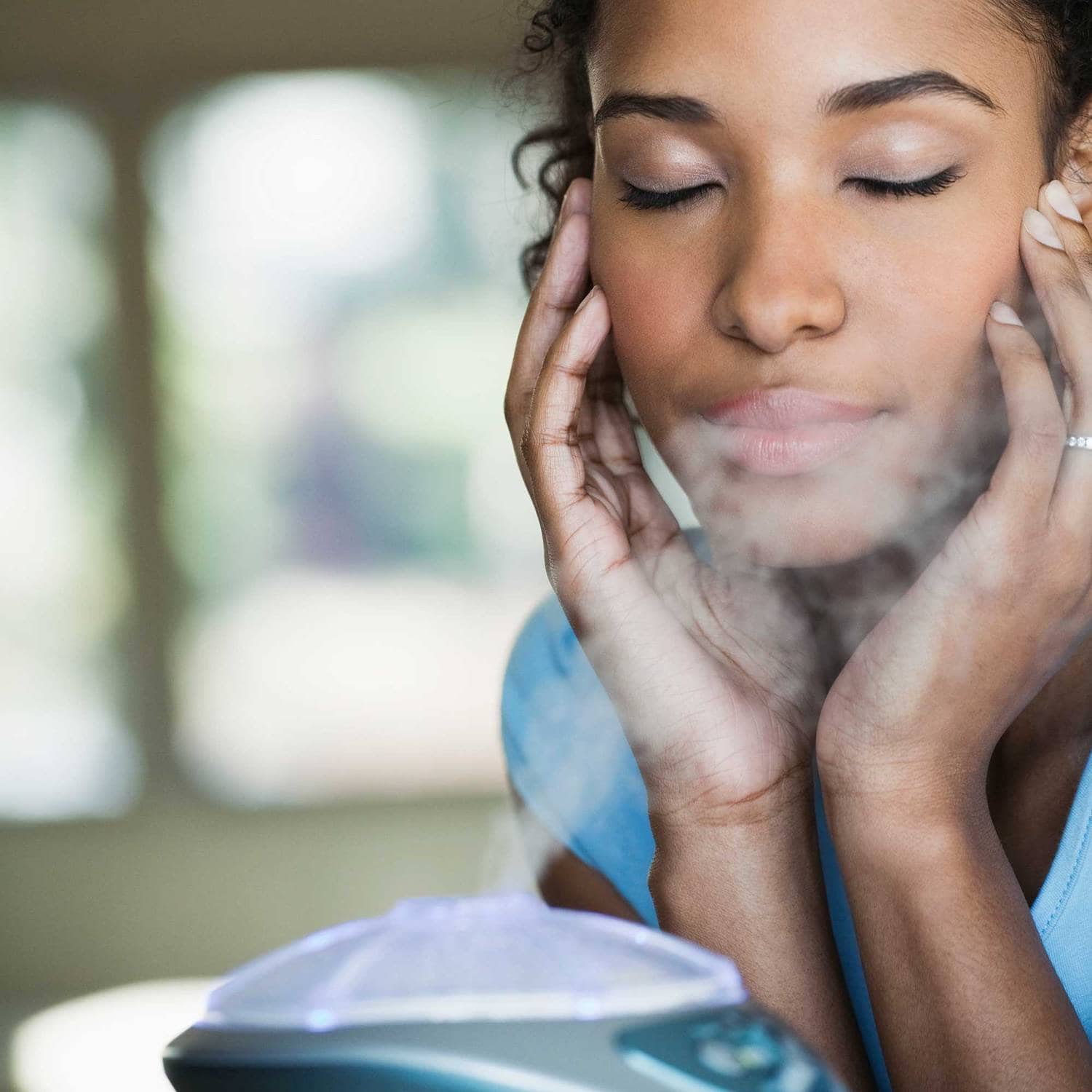
Air humidity between 40 and 60% is essential for the body’s largest organ, your skin. One of its top functions is to control metabolism. It absorbs and produces moisture, making you adapt to the surroundings. If the air isn’t humid enough, the skin won’t do its job correctly.
Warmer House
During severe winters, heaters dry out the air in your home. Using a humidifier might help bring the balance back. Still, this isn’t the only benefit of owning the appliance. The more water particles the air contains, the warmer it feels.
As the air already contains enough moisture and can’t accept more evaporated particles, the sweat our body produces doesn’t leave it, raising the temperature. Thus, using a humidifier during the winter months can help you feel more comfortable and save on the electricity bill.
Advantages of Dehumidifiers
A dehumidifier also provides some things you may appreciate.

Reduce Allergy Triggers
Allergy triggers are always in the air. However, too little or too much moisture activates them like nothing else. Excess humidity is an ideal environment for mildew and mold growth.
Moreover, the more serious your breathing problems, the worse they become due to the wrong conditions.
If you cough and sneeze, dust mites and other intrusive particles can get into your organism and make you suffer more.
Protect Your Belongings
Paper and wood are the most perceptive to humidity. If you’re one of those who have an extensive library or antique furniture at home, owning a dehumidifier is a top priority. Your collectibles will feel much better and stay in the original condition longer if you keep the relative moisture at medium levels.
Your electronics may suffer from excess moisture too. While the shiny new gadgets also don’t appreciate humidity, they get some air. However, an old computer and console collectors might know what rust does to their precious belongings.
Improve Air Quality and Remove Odors
You might argue that airing the house or using a ventilation system are better ways to remove unwanted odors from the rooms. Still, a dehumidifier can get rid of wetness-related stuffiness very effectively.
If you feel the air smells stuffy with a hint of mold, buy a dehumidifier before you get more household problems and health issues. The appliance will improve the quality of your life.
What About Air Purifiers?
Air purifiers are simple gadgets that circulate the air through filters and remove dust, allergens, and pollen particles. Due to a fan, the polluted air enters the appliance, is sanitized, and the clean stream exits it. No humidification or dehumidification happens in the process.
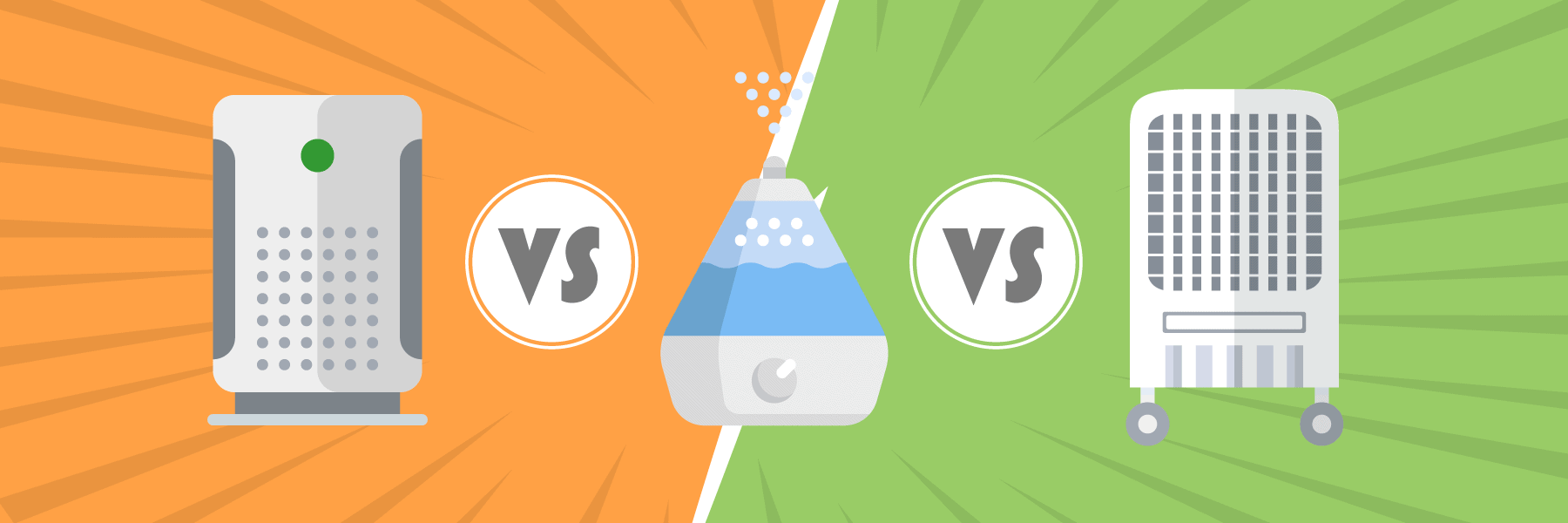
In contrast to humidifiers that add water particles into the air, purifiers remove those. In this sense, they are more like dehumidifiers. However, most models don’t trap water particles. Moreover, too much humidity in the air might damage certain types of air cleaning gadgets.
Besides the mechanical cleansing, some air purifiers (called ionizers) neutralize pollutants by emitting negative ions. These particles connect with the positive ones in the air and “trap” them. Although these are quite efficient, they might cause ozone pollution to the indoor air. In some cases, they might not neutralize certain chemicals. The ions will connect to them and create harmful ultrafine particles.
There are a few things to consider before buying an air filter or a purifier. First of all, to what effect do you want the gadget to be efficient? If there are chemicals or smoke in the air, a usual filter won’t be useful. You’ll need to buy one specifically designed for ultrafine particles and chemical sensitivities. However, solving the dust or pet hair problem is more straightforward with a usual filter.
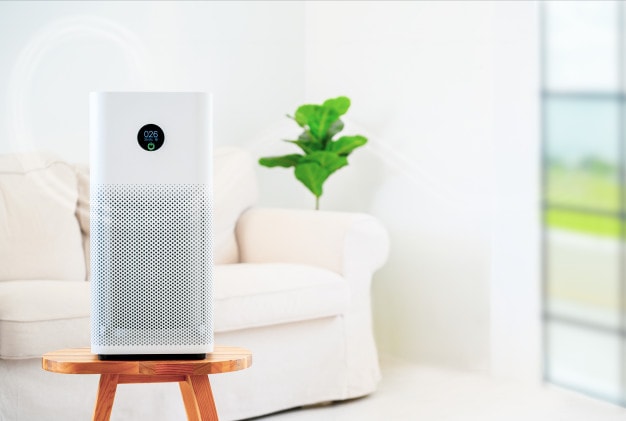
Second, selecting an air purifier is similar to the process of buying the other two gadgets. You should consider the square footage of the area where it’s going to work. Generally, larger appliances tend to be efficient for the whole area. However, depending on the use case, you might need a couple of smaller ones. You can also choose a whole house solution and let the professionals install it for you.
It’s also important to consider the location efficiency, features, and how much maintenance the gadget will need. Air purifiers are only efficient if you keep the house clean. You need to wipe the surfaces, vacuum the carpets, and change bedding regularly to ensure that nothing hinders the gadget’s performance.
When and Why Would I Use a Humidifier?
Humidifiers are used in dry climates or during the winter months. They soften the microclimate in your house and reduce problems caused by dry air. Here are a few use cases when you need a humidifier.
Increased Comfort Levels at Home
Humidifiers are useful for preventing diseases and breathing issues for healthy individuals and family members with respiratory problems. Plus, they increase the comfort in your house.
Better Air Quality in Your Child’s Room
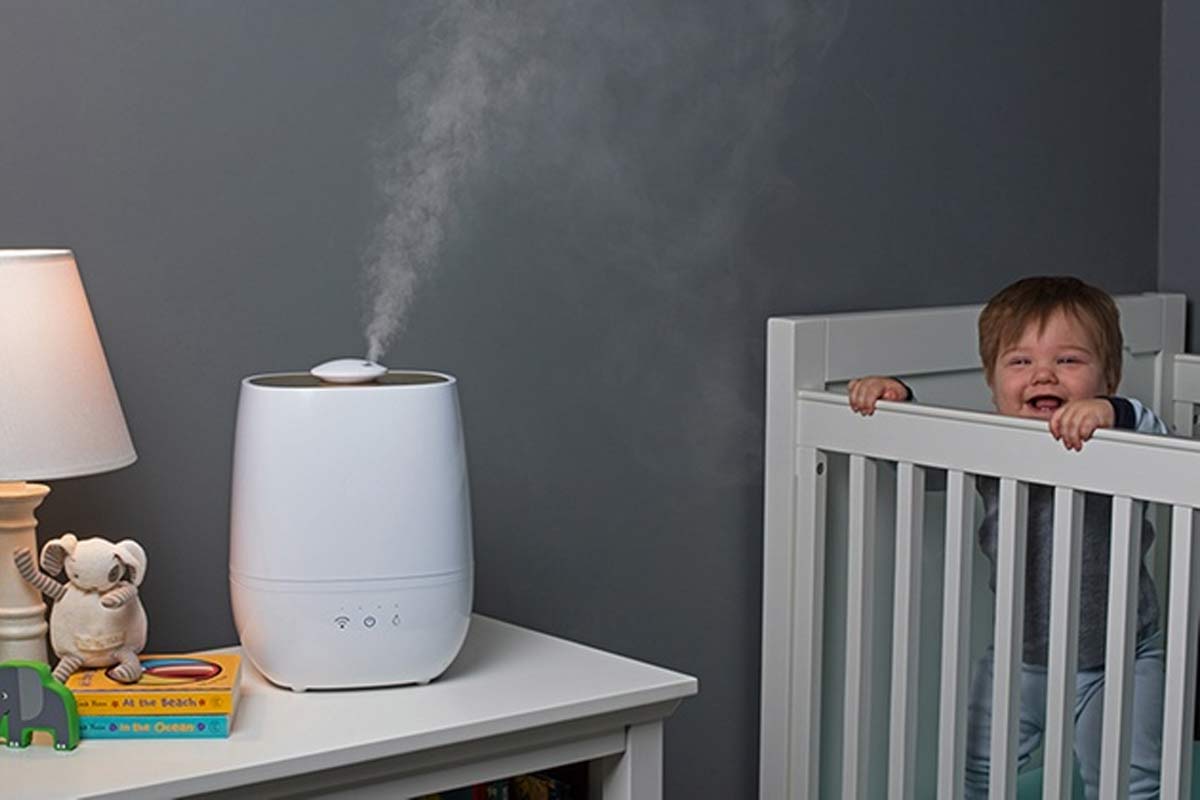
Experts advise having a cool-mist humidifier in the nursery for several reasons. First of all, a child’s skin is thinner than that of an adult, making it more prone to irritation because of dust particles and pollen. Second, a baby’s lungs and the respiratory system might not be adapted to the surroundings just yet.
Humidifiers help your child to breathe freely and avoid issues caused by external factors.
Lower Chances of Getting the Flu
There’s no conclusive evidence that humidifiers help to keep influenza out of your house altogether. However, a study shows that water particles in the air slow down the spread of the virus. Thus the chance of you getting sick drops rapidly.
When and Why Would I Use a Dehumidifier?
Using dehumidifiers is usually recommended for reducing the number of water molecules in the air. The atmosphere that’s too saturated can be the primary cause of dust mites and mold, which can cause allergies, asthma symptoms, and lung-related diseases.
Areas With Stagnant Air
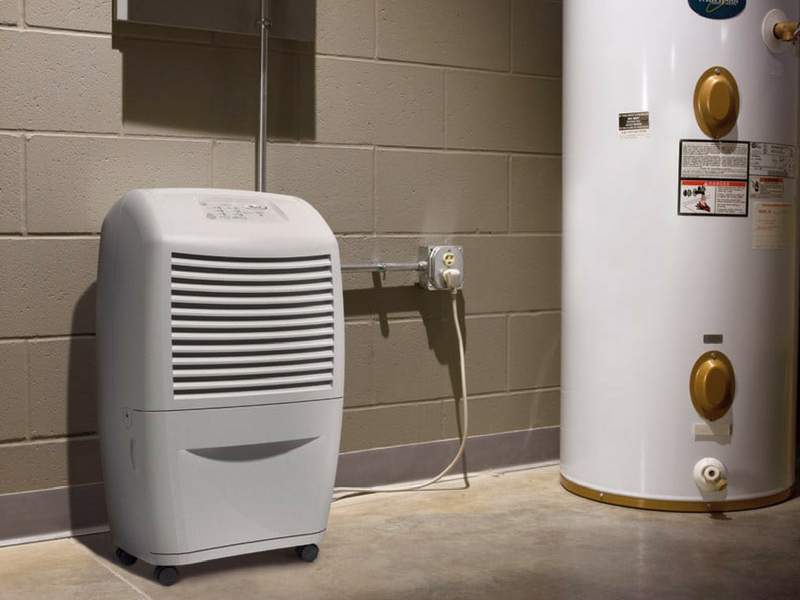
You might’ve noticed that your basement might smell stagnant and even funky depending on the weather outside. Enclosed areas with no windows or direct sunlight allowed can be an ideal place for mold growth. Besides airing the rooms regularly, adding a dehumidifier might save you expensive professional mold removal procedures.
Stop Condensation
If you live in climates where cold weather is usual, experiencing water droplets on the windows must be a natural outcome. Dehumidifiers can help you avoid that situation by absorbing the moisture. Not allowing the accumulation can increase the lifespan of the windows and window sills.
Reduce Pest-Related Issues
Most pests thrive in moist and warm environments. Spiders, roaches, and other unwelcome inhabitants will leave you alone if the general humidity of your house isn’t favorable for them.
However, we don’t suggest that a dehumidifier will kill all the crawly guests. To avoid them altogether, ensure that the area is clean and use substances that keep them at bay.
Bottom Line
As we can see, humidifiers are appropriate in houses with dry air. They are also beneficial for people with dust sensitivity and seasonal allergies. This appliance can soften the environment at home for people with lung diseases and asthma. As a bonus, you get moderate humidity to keep your furniture and belongings in a better condition.
Dehumidifiers are ideal for basements, damp rooms, and spaces with no ventilation, where the air can go musty. You can use this gadget for mold and pest prevention. Besides, if you’re a book and console collector, the items will stay safe.
People Also Ask
Now that we’ve identified the functionality, pros and cons, and the usage of each appliance, we also need to answer a few questions to paint the whole picture. Let’s tackle them one by one.
Depending on the climate you live in, both appliances can be useful.
During the winter months, the indoor air becomes dry due to heaters. These conditions dissipate the water molecules and you start experiencing skin dryness and respiratory problems. Using a humidifier at home during winter will help you avoid the uncomfortable ambiance.
However, basements can get too much moisture due to snow and rain. Hence, you might need a dehumidifier to absorb the water particles in the air.
Dry air during your sleep can damage your throat and breathing pathways. It causes low sleep quality and discomfort in the morning. Having a humidifier in your bedroom allows you to breathe freely and decreases sore throat and snoring.
Mold develops faster in the humid air. However, the cells stay dormant if the relative humidity is under control. A dehumidifier doesn’t kill the mold; it only slows down its spreading rate. Only a professional treatment or a DIY solution can treat it efficiently.
Customer-grade portable dehumidifiers usually range from 30-pint to 70-pint models. The average one you might need for a damp room of 2,000 square feet is the 50-pint gadget. If the room has a constant humidity source, consider a higher capacity one. Thinking about a whole house solution is also valid.
Legally, you can’t place a dehumidifier in the trash. It might contain dangerous chemicals that will damage the environment. Like air conditioners and refrigerators, they need responsible treatment when discarding. Recycling is the best option. You’ll probably need to contact your local government to arrange a pick-up.